How Local Weather Shapes Solar Energy Decisions in Staten Island, New York
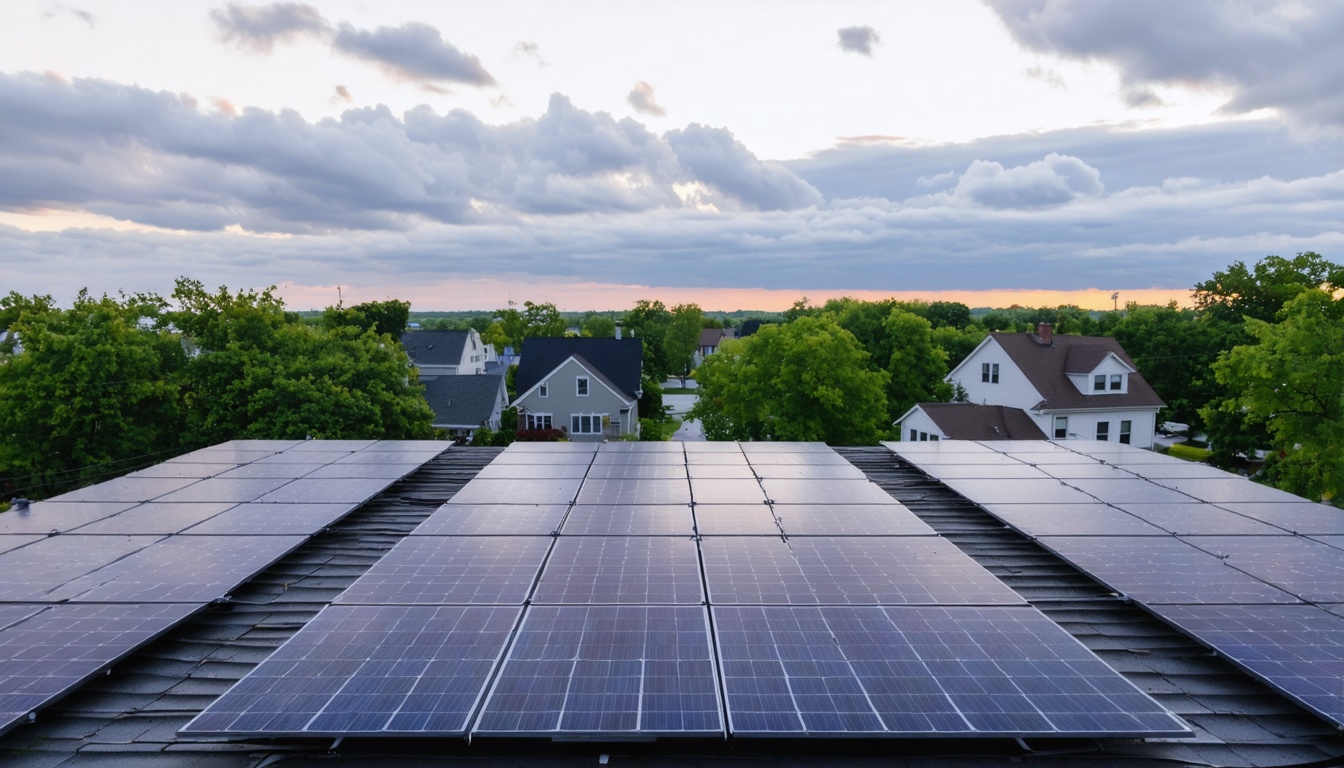
In Staten Island, local weather conditions significantly influence solar energy decisions. The humid summers and snowy winters, along with the potential for unpredictable storms, affect both the efficiency of solar panels and the potential return on investment for homeowners considering solar energy. Solar panels generally perform best in clear and sunny conditions. However, the presence of humidity can lead to increased cloud cover, reducing the amount of direct sunlight that panels receive. In winter, snow accumulation on panels can obstruct sunlight, necessitating regular maintenance to ensure optimal power generation. Additionally, storm events can pose risks to solar installations, including physical damage to the panels or the disruption of power generation. Understanding these seasonal variations is crucial for homeowners when evaluating the potential performance of solar energy systems. Factors such as the orientation and tilt of the panels, local tree cover, and historical weather patterns should also be considered. By analyzing these elements, homeowners can make more informed decisions about solar investments, balancing initial installation costs with long-term energy savings and efficiency.
Seasonal Variations in Solar Panel Performance
Solar panels operate reliably throughout the year, but their energy output on Staten Island is notably affected by seasonal changes. For homeowners considering Residential Solar Panels in Staten Island, it's important to understand how seasonal variations impact efficiency. During the summer months, solar panels exhibit their highest efficiency due to several key factors: longer daylight hours, the sun’s elevated position in the sky, and typically clearer weather conditions.
In quantitative terms, the extended hours of sunlight during summer translate to increased electricity production, as solar panels convert solar energy into usable power. Specifically, Staten Island averages over 14 hours of daylight in summer, compared to less than 9 hours in winter.
The decreased cloud cover in summer further enhances energy generation, leading to more consistent performance.
Recognizing these seasonal variations is essential for homeowners aiming to optimize their solar energy systems and maximize cost savings. Based on extensive experience in solar panel installation within the greater NYC area, practical usage and regular maintenance can significantly improve energy output.
Brite’s team offers services that provide homeowners with valuable data and insights, facilitating effective management of solar panel performance throughout the changing seasons.
Managing Heat Impacts on Solar Efficiency
The production of solar energy is influenced by several factors, including seasonal variations in temperature. In Staten Island, longer summer days can enhance solar energy generation; however, persistently high temperatures may reduce the efficiency of solar panels. Solar panels typically operate at optimal efficiency around 77°F. Research indicates that for each degree Celsius above this temperature, efficiency can decrease by approximately 0.5%.
During the summer months, although efficiency may decline due to elevated temperatures, the combination of extended daylight hours and the sun's higher position in the sky can still lead to an overall increase in energy production compared to winter months, which usually offer less than nine hours of sunlight daily.
To address the potential negative impacts of heat on solar panel performance, it is recommended to select panels with favorable temperature coefficients, which indicate how well they perform at varying temperatures. Additionally, implementing proper insulation strategies can further enhance the efficiency of the solar energy system.
Engaging a contractor with experience in solar installations within the greater NYC area can provide valuable insights into these considerations and their effects on reliable electricity generation. By understanding these factors, homeowners can make informed decisions that optimize their solar investments.
Leveraging Net Metering During High Production Months
During the summer months, net metering can be effectively harnessed due to higher electricity generation from solar panels. Solar energy systems typically produce surplus electricity during this period, as they benefit from elevated sun angles, extended daylight hours, and improved weather conditions.
In contrast, winter months in locations such as Staten Island see reduced daylight, which can limit solar production.
The variations in solar panel performance throughout the seasons are notable and can significantly affect the energy savings for homeowners. To maximize these savings, property owners may consider implementing battery storage systems.
When utilized in conjunction with net metering, battery storage can provide enhanced flexibility and reliability in energy consumption. Additionally, conducting a thorough energy audit and making improvements such as upgrading insulation can further boost a home's overall energy efficiency.
Contractors with extensive expertise in solar installations in the greater New York City area can offer valuable guidance on optimizing these strategies.
By analyzing the relationship between solar energy generation and residential consumption patterns, homeowners can enhance their potential for energy savings and improve efficiency throughout the year.
Strategies for Addressing Reduced Winter Output
Staten Island experiences a significant reduction in solar energy output during the winter months, with decreases that can reach up to 80%. To address this decline, it is important to implement targeted strategies aimed at improving energy efficiency.
One practical approach is to adjust the angle of solar panels to optimize the capture of available sunlight, taking into consideration the sun's lower position in the sky during winter. Engaging a contractor with experience in solar installations within the greater New York City area, including Brooklyn and Union County, may facilitate this optimization process.
Additionally, integrating battery storage systems can provide a more reliable energy supply during periods of reduced solar generation. This setup allows homeowners to store excess energy produced in sunnier months for use during times of diminished output.
Improving insulation in homes, particularly through methods such as spray foam, also plays a critical role in maintaining energy efficiency. Conducting a professional energy audit can further identify specific areas for improvement, leading to additional opportunities for energy savings.
By systematically implementing strategies such as adjusting solar panel angles, enhancing insulation, and performing seasonal energy audits, homeowners can mitigate the impact of winter weather on solar energy production. This leads to improved electricity generation and a more reliable power supply.
This approach addresses the challenges associated with reduced solar output during the winter months in Staten Island.
Financial and Environmental Considerations for Staten Island Homeowners
When evaluating the installation of solar panels in Staten Island, homeowners should carefully assess both the financial implications and the associated environmental benefits. The regional climate is generally favorable for solar energy generation, particularly during the summer months when sunlight levels are higher. This can lead to increased energy production compared to other areas with less optimal sunlight conditions, such as parts of Brooklyn.
It is advisable to choose a contractor with substantial experience in the greater New York City area to ensure effective installation. Additionally, implementing proper insulation techniques, such as spray foam, may improve a home's overall energy efficiency, potentially resulting in cost savings over time.
Conducting regular maintenance and energy audits can help homeowners identify and address factors that might affect the performance of solar panels throughout the year.
From a financial perspective, homeowners can benefit from net metering, which allows them to earn credits for excess energy generated by their solar systems. There are also various tax credits and incentives in place that can help mitigate the initial costs of solar energy systems.
Transitioning to solar energy can reduce reliance on fossil fuels, contributing to a decrease in carbon footprint while providing a reliable source of electricity.
In conclusion, a comprehensive evaluation that considers both the economic and environmental aspects is essential for Staten Island homeowners contemplating the installation of solar panels.
Advancements in Energy Storage and Backup Solutions
Advancements in energy storage and backup solutions have enhanced the ability of homeowners to implement effective energy management systems, such as the Tesla Powerwall, within their solar energy setups.
In Staten Island, challenges such as seasonal variations, cloud cover, and decreased daylight hours in winter can negatively impact solar panel performance. Consequently, battery storage systems have gained relevance, as they allow for the accumulation of excess energy produced during peak sunlight hours in summer, which can be utilized to supplement reduced energy generation during the winter months.
The integration of advanced insulation materials, such as spray foam, can further enhance the efficacy of these systems by minimizing energy loss within the home.
When considering the installation of solar panels and energy storage options, it is prudent for homeowners to consult with contractors who have expertise in energy audits and a thorough understanding of local installation practices in the greater New York City area.
This specialized knowledge can assist homeowners in optimizing system performance, leveraging net metering opportunities, and maintaining a reliable electricity supply throughout the year.
Conclusion
When considering solar energy for your home in Staten Island, it is essential to analyze the area's specific weather patterns. Factors such as sunlight availability, snow accumulation, and storm frequency can influence solar panel performance. Staten Island experiences a moderate climate with distinct seasonal changes, including cold winters and occasional storms. The average annual sunlight hours can impact the efficiency of solar panels, as adequate sun exposure is necessary for optimal energy production. Additionally, snow can accumulate on solar panels, temporarily reducing their efficiency; however, solar panels often have a self-cleaning effect as they heat up in sunlight, causing snow to slide off. Using appropriate technology that can withstand local weather conditions is crucial. Weather-resistant solar panels and mounting systems can minimize damage from high winds or heavy snow loads. Proper placement of solar panels is also important to maximize exposure to sunlight, considering potential obstructions like trees or buildings. Maintenance is key to ensuring sustained performance, particularly after adverse weather events. Regular inspections and cleaning can help maintain efficiency levels over time. Investing in solar energy involves evaluating both economic and environmental considerations. With careful planning and adaptation to local weather patterns, homeowners can enhance energy reliability and contribute to the broader goal of clean energy in Staten Island.