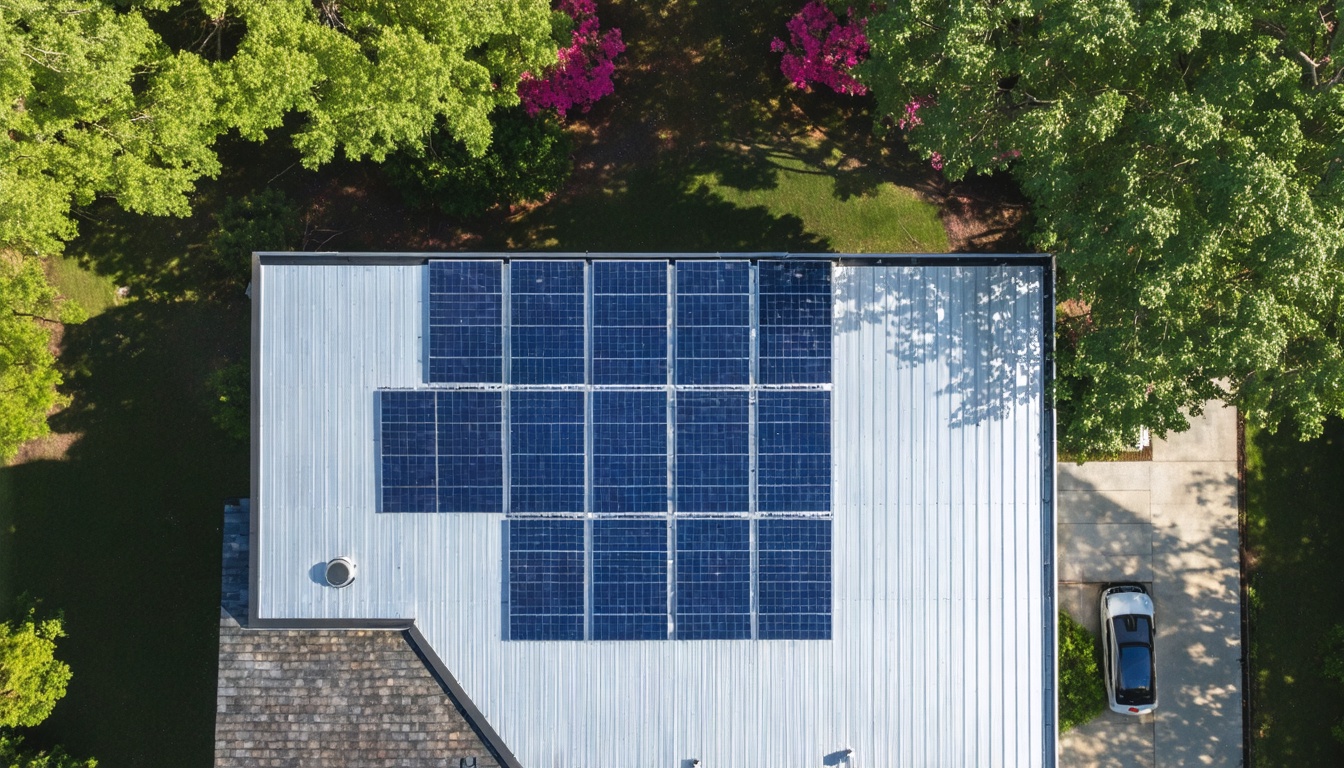
Solar Ready Roof Upgrades That Matter for Homes in Georgia
If you are considering enhancing the energy efficiency of your home in Georgia, upgrading to a solar ready roof is a practical option. This upgrade not only has the potential to lower utility expenses but also increases the long-term value of the property while contributing to the adoption of renewable energy sources. However, prior to implementing this upgrade, it is crucial to evaluate the current condition of your roof, including its age, structural integrity, and layout. Key factors that should be assessed include: 1. **Roof Age and Condition**: Determine whether your roof is nearing the end of its lifespan. A roof that requires repair or replacement may not be a suitable candidate for solar panel installation, as it may lead to additional costs and complications. 2. **Structural Integrity**: Ensure that the roof can support the weight of solar panels and any additional required equipment. This might necessitate a structural assessment by a qualified professional. 3. **Roof Layout and Orientation**: Analyze the tilt and orientation of your roof, as these factors significantly influence the efficiency of solar panel placement. Ideally, roofs that face south or west are more favorable for solar energy capture. 4. **Local Building Codes and Regulations**: Familiarize yourself with Georgia’s regulations regarding solar panel installations. Compliance with zoning laws and building codes is essential to avoid potential legal issues. By addressing these components, you can make an informed decision regarding the feasibility and potential benefits of a solar ready roof upgrade for your home.
Assessing Roof Age and Structural Integrity
When preparing for solar panel installation in Georgia, it is important to assess the age and condition of the roof. Roofs older than fifteen years may require a detailed evaluation to determine their capability to support solar systems. A thorough assessment is necessary to identify potential issues, such as moisture intrusion, sagging, or decay, which could impact the stability of new photovoltaic (PV) panels and renewable energy systems.
Local installers advise paying attention to structural elements, including rafters and trusses, during the planning stages of solar panel installation. This analysis is significant in addressing the risks associated with the added weight and foot traffic during both installation and future maintenance. In certain instances, it may be necessary to reinforce the roof structure to ensure that it can adequately support the solar system.
Investing in roof upgrades can resolve existing concerns and potentially prolong the roof's overall lifespan. A solid roofing structure is crucial for maximizing the performance and service life of the solar energy system, as it ensures effective energy efficiency and minimizes the likelihood of future complications.
Optimizing Layout for Solar Panel Placement
When planning a solar upgrade for your home in Georgia, it is important to conduct a thorough analysis of your roof layout to achieve optimal sunlight capture.
Start by identifying south-facing sections of your roof, as these areas generally receive the highest levels of solar exposure throughout the day, which is essential for effective energy generation.
During the design phase, assess the roof's structure and overall condition, concentrating on regions that are free from shading and not frequently accessed by foot traffic.
Consulting with Residential Solar Specialists can provide insights into the most appropriate photovoltaic (PV) panels for your specific roof characteristics. Additionally, ensure that your roofing material is in sound condition and capable of supporting the installation of solar systems.
Managing shading is crucial, as even minor shading can notably reduce a solar panel’s efficiency.
It is prudent to consider wiring routes that enhance safety and minimize complications during the installation and maintenance of the panels.
A systematic approach in these areas can significantly affect the performance and durability of your solar energy system.
Enhancing Durability with High-Quality Materials
A solar-ready roof's performance depends on several factors, particularly the quality of materials utilized beneath solar panels. High-quality gypsum-based boards, such as DensDeck®, are worth consideration in the design phase. These materials are known to enhance the durability of roofing systems by providing increased protection against damage from foot traffic, which often occurs during the installation of photovoltaic (PV) panels.
Local installers indicate that the integration of these materials into new rooftop systems can contribute to an extended lifespan for the roof, thereby aligning its durability with the benefits expected from PV installations.
Furthermore, employing more durable materials can help minimize potential issues related to dropped tools or other disturbances during installation, which could otherwise affect safety and operational integrity.
A well-structured roofing strategy is essential not only for supporting renewable energy initiatives but also for ensuring the longevity of solar technology investments.
Addressing Fire Safety and Code Compliance
As solar panels become more prevalent in Georgia, attention to fire safety and code compliance is crucial prior to installation. Key considerations include the potential fire hazards associated with photovoltaic (PV) panels, such as electrical arcing.
It is necessary to be familiar with local roofing codes, which are regularly updated by relevant associations to reflect the latest safety standards. The use of fire-resistant materials, such as gypsum-based board, is recommended to improve the fire safety of solar-ready roofs. Conducting comprehensive evaluations of newly installed roofs is advisable to ensure adherence to these regulations, thereby reducing the risk of installation-related issues.
Furthermore, effective planning not only extends the roof's lifespan but also protects business interests, supports the ongoing benefits of renewable energy, and ensures safe pedestrian access in surrounding areas.
Emphasizing safety and compliance with regulations is essential for the successful integration of solar technology into existing building structures.
Planning for Electrical Integration and Upgrades
The integration of solar installations with a home’s electrical system requires a systematic evaluation of the existing electrical framework.
Before the installation of rooftop photovoltaic (PV) panels, it is advisable to conduct comprehensive planning. Upgrading the electrical service panels to a capacity of 200 amps is typically recommended to ensure that the system can support both the current demands of rooftop renewable energy systems and any future battery storage solutions that may be considered.
Synchronizing these electrical upgrades with any planned roof replacements is beneficial, as it helps to minimize risks and disruptions during installation.
Establishing dedicated wiring pathways from the rooftop to the inverters is also crucial for ensuring efficient performance of the solar energy system. Compliance with local building codes during this process is imperative to avoid legal or operational issues.
Collaboration with experienced installers during the planning phase can enhance the integration process of the solar system.
This approach aims to ensure that the installation meets both present energy requirements and accommodates anticipated developments in energy demand over the next five years.
Matching Roof and Solar Panel Lifespans
Solar panels are recognized for their substantial reliability, typically featuring an operational lifespan ranging from 25 to 30 years. It is important to ensure that the roofing material used possesses a similar longevity to prevent complications related to maintenance and replacement.
When preparing a rooftop for solar panel installation, it is advisable to align the lifespan of the roofing system with that of the photovoltaic (PV) systems.
Single-ply roofing systems installed with high-quality cover boards, such as gypsum, have shown favorable performance, with approximately 86% of these systems achieving their expected lifespan. This alignment minimizes the financial and logistical challenges associated with removing solar panels for roofing repairs, particularly within the first five years following installation.
Industry professionals and associations suggest that these considerations should be part of the initial design phase to improve the durability of the entire system.
Furthermore, utilizing durable roofing materials and restricting unnecessary foot traffic on the roof can enhance the overall performance and lifespan of both the roof and the solar panel installation.
Navigating Local Regulations and Permitting
When planning a solar-ready roof upgrade in Georgia, it is important to understand the local regulations and permitting requirements to prevent potential delays and additional costs. Local building codes significantly influence the installation standards for solar photovoltaic (PV) panels, wiring, and rooftop systems.
It is advisable to engage with experienced solar installers who are knowledgeable about the specific regulations in Georgia, as well as homeowners’ association (HOA) requirements, net metering incentives, and privacy compliance.
Consulting with professionals during the design phase can provide a more accurate interpretation of zoning laws, assist in the preparation of necessary engineering drawings, and help identify risks associated with the visibility of the panels or potential foot traffic over newly installed systems.
Effective planning is essential for the successful integration of renewable energy solutions and can also enhance the durability and performance of the roofing system.
Incorporating Climate and Environmental Factors
Georgia's climatic conditions, characterized by high temperatures, humidity, and frequent storms, necessitate careful consideration when planning for a solar-ready roof.
It is essential to initiate the planning process during the design phase by selecting roofing materials that are specifically designed to withstand heat and moisture, as well as foot traffic that may occur during maintenance and installation.
The orientation of the roof is a significant factor; typically, a south-facing orientation is preferred as it optimizes the solar energy production potential of photovoltaic (PV) panels. This configuration can enhance the overall efficiency of the solar energy system.
In addition to structural considerations, incorporating features to protect against local wildlife and storm-related damage is important. Implementing proper wiring and effective waterproofing measures can help mitigate common issues associated with solar installations.
Engaging with professional installers who are knowledgeable about local environmental conditions and building codes is advisable for successful implementation.
Comprehensive planning is crucial for safeguarding the investment in both the roof and the solar panel system.
With appropriate measures in place, these systems can have a lifespan extending beyond five years, contributing to durability and performance in the face of Georgia's unique climate challenges.
Leveraging Financial Incentives and Cost Savings
Utilizing available financial incentives can effectively reduce the costs associated with transitioning to a solar-ready roof for homeowners in Georgia. The federal tax credit, currently established at 30% under the Inflation Reduction Act, offers a significant financial benefit for the installation of photovoltaic (PV) panels and necessary wiring.
By incorporating solar-ready roofing features during the initial design phase, homeowners can achieve cost savings of up to 60% compared to retrofitting options available at a later date. This approach not only helps minimize costs but also addresses the risks associated with the installation process and may contribute to extending the operational lifespan of the roof.
Additionally, local business associations and installers often organize informational events to outline the direct benefits of these incentives, which can assist homeowners in making informed decisions.
The market for solar technology is anticipated to grow by approximately 8% over the next five years, suggesting a favorable landscape for investment in this area. Homeowners considering these financial incentives and enhancements may benefit from timely action to take full advantage of the available programs.
Educating Homeowners on Solar Ready Benefits
Incorporating solar-ready upgrades before the installation of solar panels can yield both immediate and long-term benefits. During the design phase of a home, considerations related to solar photovoltaic (PV) systems can help reduce installation challenges and address potential issues related to roofing. Key aspects such as the roof’s slope, orientation, and appropriate wiring configuration are critical factors that affect the efficiency and lifespan of solar energy systems.
Local educational resources, including events organized by groups such as the Georgia Solar Association, can provide homeowners with essential information on current industry trends and best practices for solar implementation. Staying informed about these aspects enables homeowners to better navigate the integration of renewable energy solutions as market conditions change over time.
Proper planning not only streamlines the installation process but may also increase property value and contribute to lower energy costs in the long run. Additionally, understanding the available financial incentives can enhance the economic feasibility of adopting solar energy, making it a more attractive option for homeowners looking to transition to sustainable energy sources.
Conclusion
When upgrading a roof to be solar ready, it is important to evaluate the roof’s current condition, including its age, layout, and material quality, while adhering to Georgia’s building regulations. A well-maintained roof can support the installation of solar panels and contribute to energy efficiency. Investing in solar-ready upgrades can enhance property value and provide long-term energy savings, as solar energy systems can reduce reliance on grid electricity and lower utility bills. Additionally, homes equipped with solar can benefit from potential tax incentives and rebates offered by state and federal programs. It is advisable to work with qualified contractors who have experience in solar installations to ensure that the upgrades are done correctly and efficiently. Proper planning and execution will help maximize the benefits of the solar installation while ensuring compliance with local regulations. Transitioning to a solar-ready roof represents a strategic decision that can yield both economic and environmental advantages over time.